PATRICIA VEGA
Artist In residence
April 23 – April 28
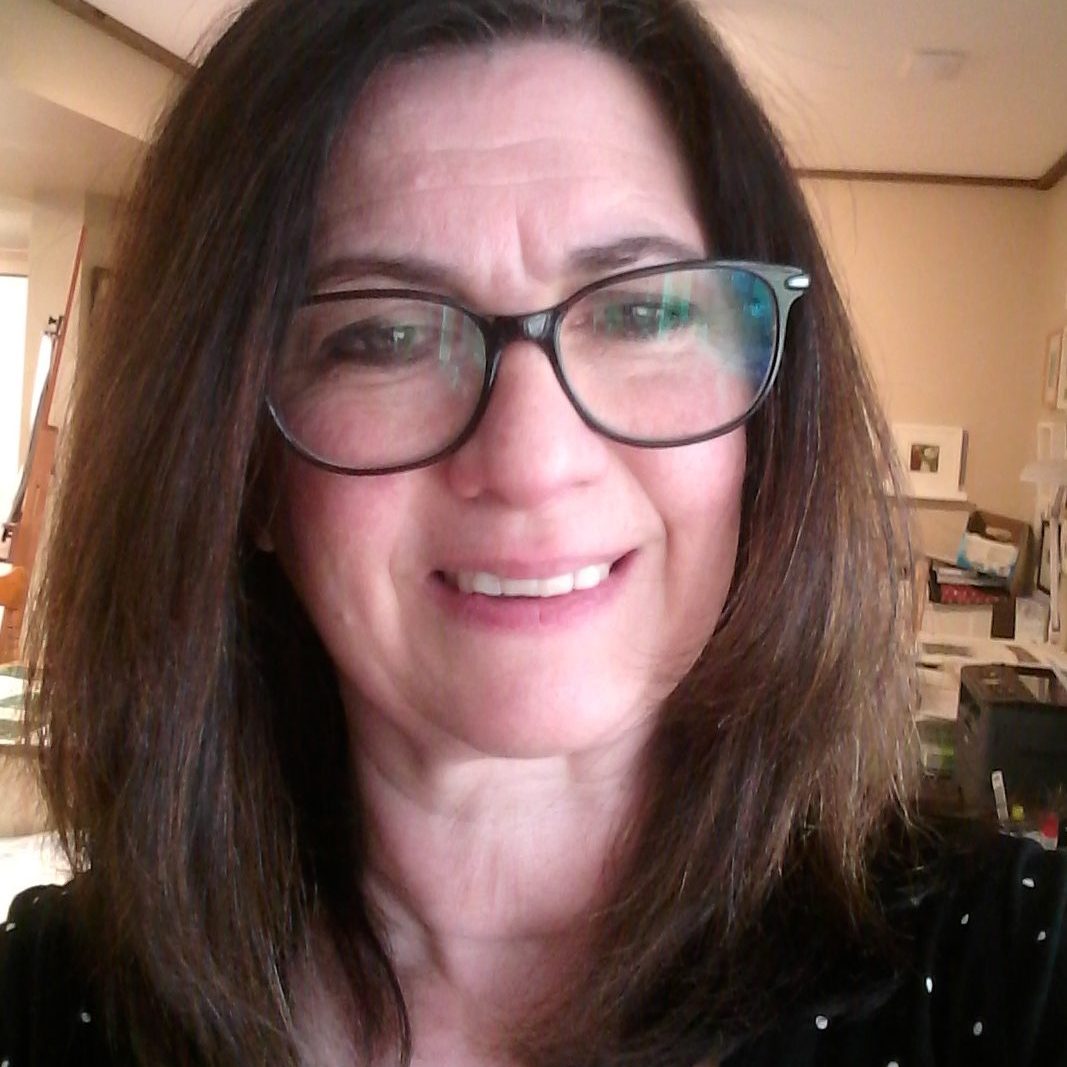
Patricia Vega is a visual artist and graphic designer currently living in Ontario, Canada.
Patricia studied at the Faculty of Arts of the National University of Cuyo, Mendoza, Argentina. Once in Canada, she obtained a professional education in Graphic Design at Humber College, Ontario, developing her career in this field to the present.
Since 1990 she has participated in numerous exhibitions in Argentina, England, the United States, Spain, France and Bulgaria.
Visit her page http://www.patriciavega.ca or Instagram if you want to know more about Patricia.
In 2007, Patricia was awarded 1st Prize at the Press Gang 25 Printmaking Exhibition, Mississauga Gallery, Canada.
Patricia currently has her studio in Ontario, Canada.
ARTIST STATEMENT
Since I can remember, I have been fascinated by creating. Creating new things and exploring materials. I enjoy traditional crafts. That’s why woodcut and linocuts appeal to me so much.
My inspiration and ideas usually come from going from the abstract to the real, from the life that surrounds me, from nature, from graphic forms such as lines and circles in a set with color or black and white.
In addition to my passion for woodcut and linocut, I also enjoy other different techniques such as etching, screen printing and lithography, and combining them with each other.
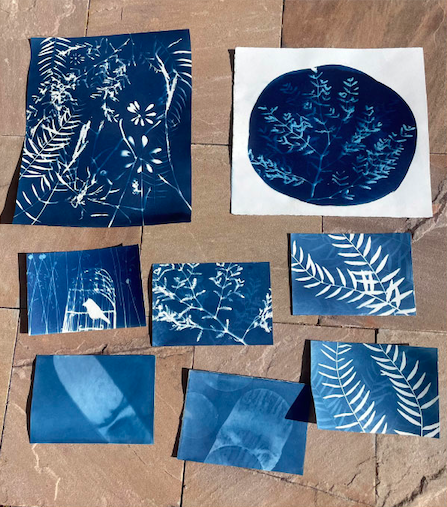
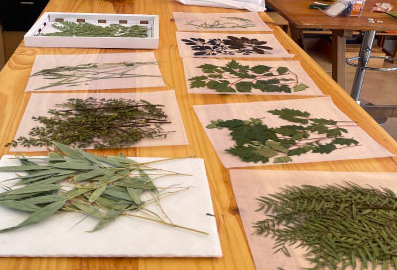
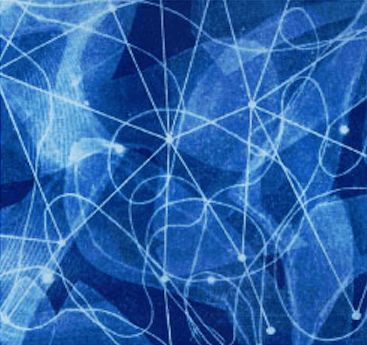
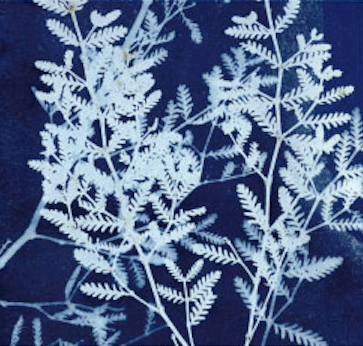
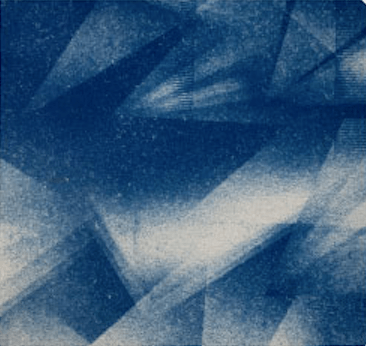
Currently, I have expanded my printmaking practice to create a new body of work in cyanotapia, using primarily botanical elements on Western and Japanese fabric and papers.
PROJECT: CYANOTYPE UNDER THE MENDOCINO SUN
In 1842, John Herschel invented this process while experimenting with light-sensitive iron salts. Although Herschel was the inventor, the first prints were made by botanist Anna Atkins in 1843. Atkins made a photography book on ferns and various plants using this technique.
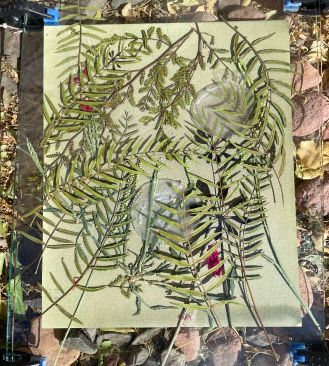
The cyanotype process consists of the reaction to ultraviolet light to a chemical mixture. This mixture consists of ammoniacal ferric citrate and potassium ferrocyanide under ultraviolet light. Upon contact with light, the solution changes color to a blue called Prussian blue.
My residency at Nodo Uspallata in April 2022 was a wonderful and unique experience to explore the Cyanotype technique. Nodo Uspallata is a place surrounded by majestic mountains where the sun always shines in a blue sky. What better than the Mendoza sun in the high mountains of Uspallata to experiment with cinotapia.
I was particularly interested in working and doing residency at NODO Uspallata, where the natural world is found within a mountainous landscape. Several of my works feature interesting vegetation from the area I had access to. The result was an alliance between a variety of plants, the emulsion and the intense sun of the area. My experiments also included transparent items like glass, which created magical results.



MORE WORKS FROM PATRICIA VEGA


 nodouspallata.com